
The cultural significance of gambling throughout history
Gambling in Ancient Civilizations
Gambling has roots that stretch back thousands of years, deeply embedded in ancient civilizations such as Mesopotamia, China, and Rome. Archaeological findings indicate that dice, one of the earliest forms of gambling, were used as far back as 3000 BC. In these cultures, gambling served not only as entertainment but also as a means of divination and a way to engage in social interactions. The rituals surrounding gambling often reflected broader cultural beliefs, including fate and fortune. For instance, when discussing different types of gaming, one might consider how certain activities, like those found at Aviator casino, have evolved over time.
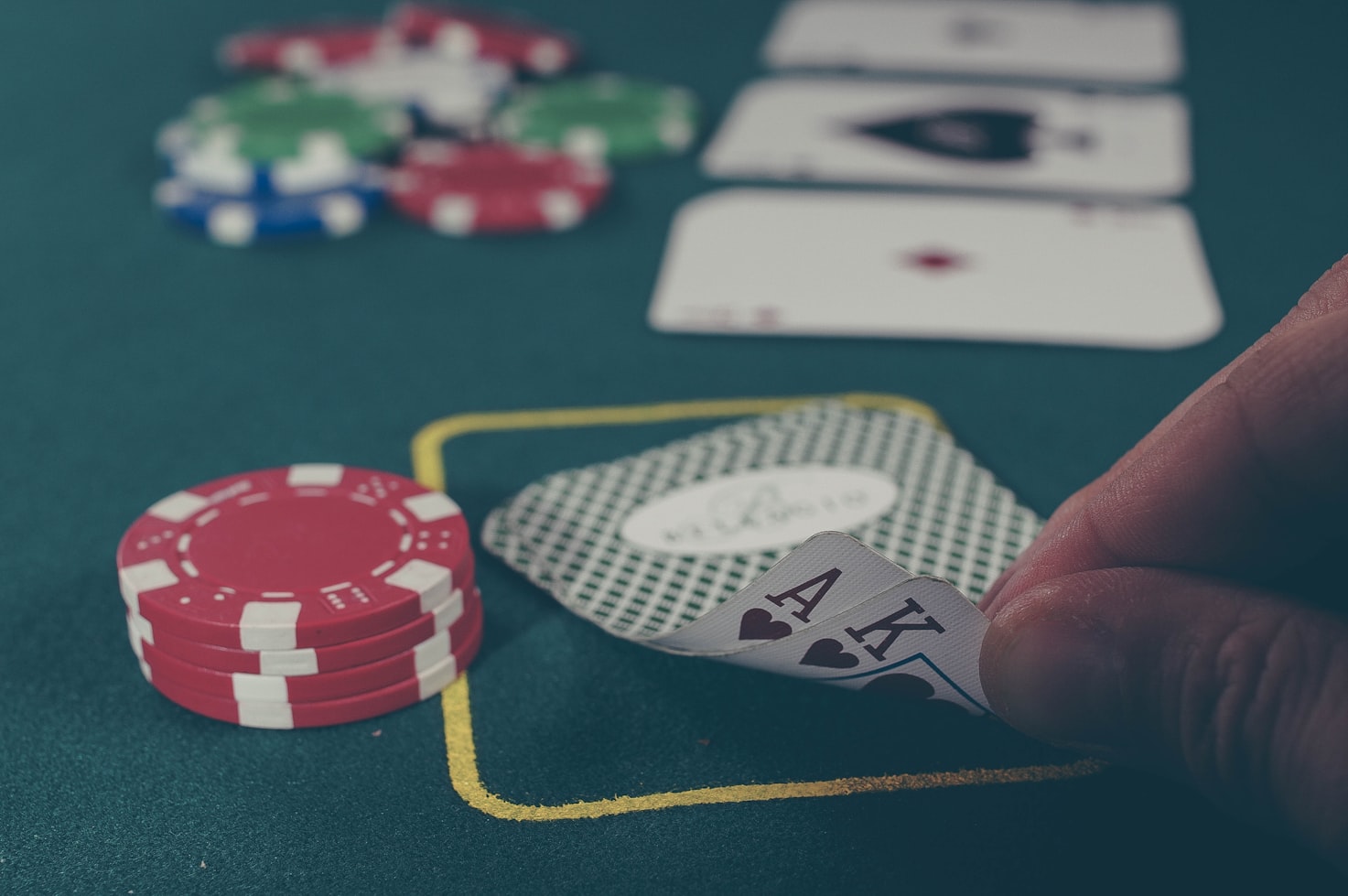
In ancient China, the game of Keno was used to fund the construction of the Great Wall, showcasing how gambling was intertwined with significant cultural undertakings. Similarly, in Rome, betting on gladiatorial games became a societal norm, integrating gambling into the fabric of daily life and public events. These early examples illustrate how gambling was a multifaceted activity, influencing both personal and communal identities.
The Evolution of Gambling in the Middle Ages
The Middle Ages marked a significant transformation in gambling practices, driven by changes in societal structure and morality. During this era, gambling was often viewed with suspicion, particularly by the Church, which condemned games of chance as sinful. However, the popularity of gambling continued to thrive, especially among the nobility. Card games emerged, leading to the establishment of various gambling houses where the elite gathered to indulge in high-stakes games.
This period also saw the rise of lotteries as a popular form of gambling, used by monarchs to raise funds for public projects. Such activities indicated a shift where gambling was increasingly seen as a legitimate means for generating revenue, thereby altering its perception from purely a vice to a potential public benefit. The duality of gambling as both a source of wealth and a moral dilemma continues to resonate through history.
The Impact of Gambling in Modern Society
The Industrial Revolution and the subsequent rise of urban centers significantly changed the landscape of gambling. The establishment of organized casinos during the 19th century turned gambling into a major commercial enterprise, providing a stark contrast to its earlier informal iterations. These casinos not only introduced a new level of sophistication to gambling but also became social hubs where individuals from various backgrounds interacted.
The Cultural Reflections of Gambling in Art and Literature
Throughout history, gambling has been a prominent theme in art and literature, serving as a reflection of societal values and human psychology. Writers like Dostoevsky and Hemingway explored gambling’s moral complexities, using it as a metaphor for the existential struggles faced by individuals. In visual arts, depictions of gambling often illustrate the thrill and despair associated with risk-taking, making it a fertile ground for artistic expression.

Understanding the Cultural Significance Through Education
As society evolves, the importance of understanding the cultural significance of gambling becomes paramount. Educational initiatives that promote awareness about the history and impact of gambling can foster informed perspectives, allowing individuals to engage with the practice responsibly. By exploring its historical context, individuals can appreciate the complexities surrounding gambling rather than viewing it solely as a pastime.
“`